Swimming Safety Guidelines
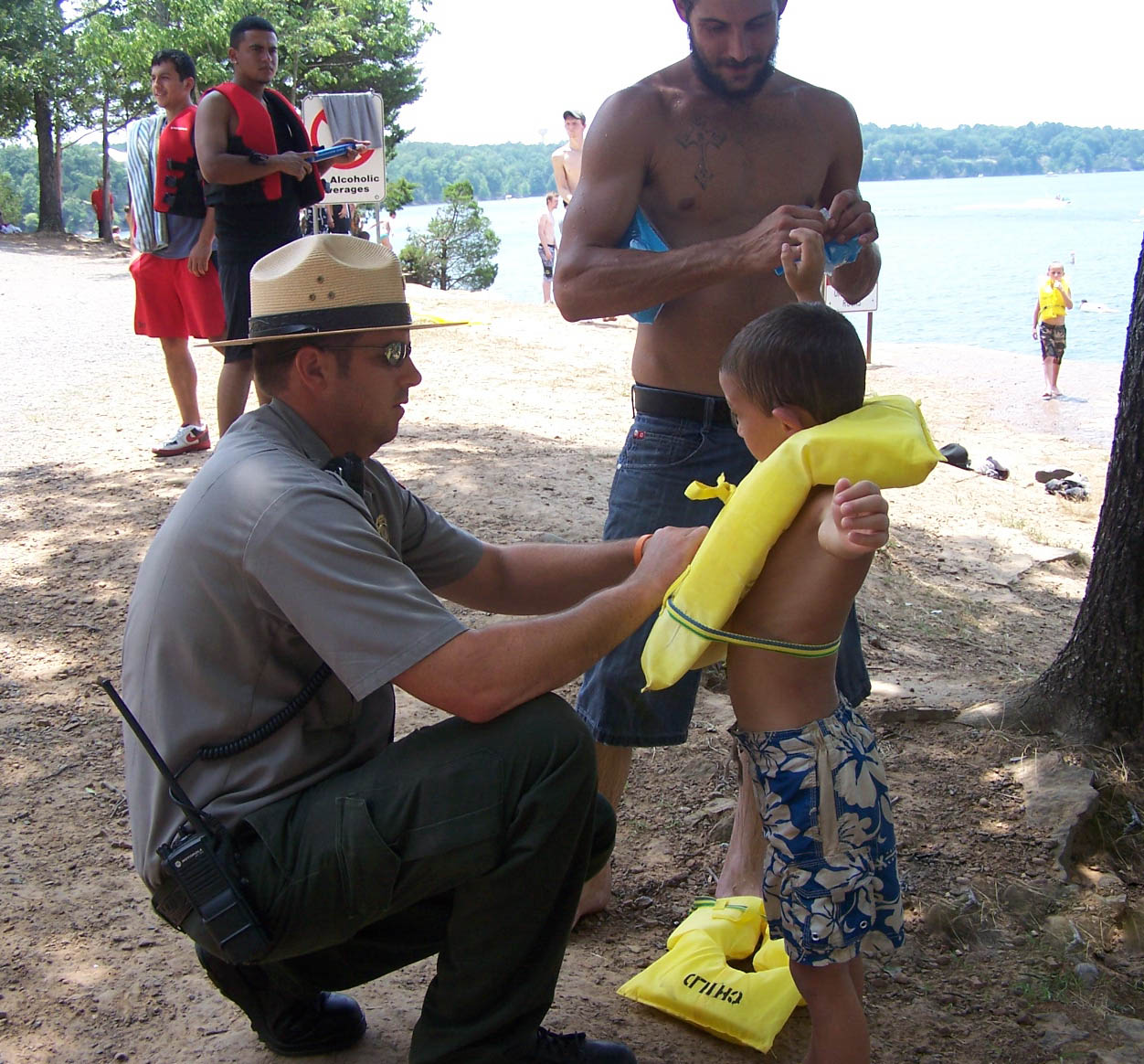
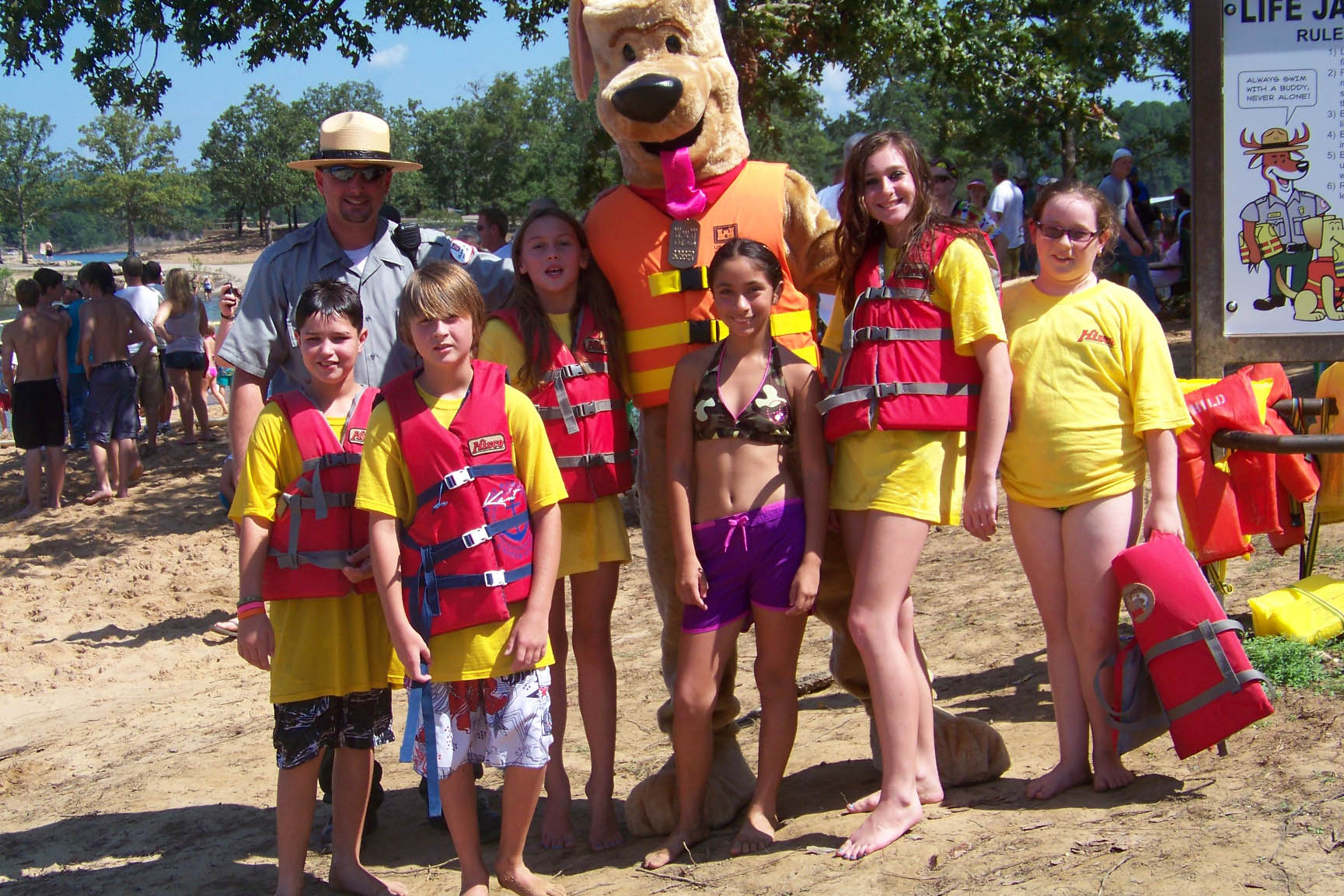
1. Wear a Life Jacket
Wear a Coast Guard approved life jacket, especially if you're not a strong swimmer.
Many types and styles are available including comfortable options for swimming.
2. Learn to Swim
Learning to swim is an important skill for all ages. Take swimming lessons if you're
not confident in your abilities. Many local organizations offer affordable lessons.
3. Never Swim Alone
Always swim with a buddy. Even strong swimmers can experience cramps, exhaustion, or
unexpected difficulties. Having someone nearby can save your life.
4. Swim in Designated Areas
Always swim in designated swimming areas. These locations are chosen for safety - they
have appropriate depth, clear bottom conditions, and are away from boat traffic.
CLIFF JUMPING DANGER: Diving or jumping from cliffs and bluffs invites tragedy.
Water depth changes seasonally, and hidden rocks or debris can cause severe injury or death.
Never dive or jump from unauthorized areas.
5. Supervise Children
Always supervise children of all ages when around open bodies of water. Drowning can happen
quickly and silently. Stay within arm's reach of young children and keep constant visual
contact with older children.
Additional Swimming Safety
- Don't overestimate your swimming ability - distances are deceiving over water
- Avoid swimming in boat channels, near launching ramps, and around docks
- Watch for changing weather conditions - exit the water if storms approach
- Know the water depth before entering - test with your feet before diving
- Be aware that horseplay in the water can result in serious injuries
- Take breaks to avoid exhaustion - fatigue is a major factor in drowning
- If you get caught in a current, swim parallel to shore rather than fighting it
- Teach children to call for help rather than trying to rescue others
Emergency Contact: In case of emergency, call 911 immediately. Know your location
(park name, nearest landmark) to help responders find you quickly.